
Colorado Construction & Contractor Disputes
Navigating Construction & Contractor Disputes in Colorado
Construction disputes in Colorado
Sweeney Construction Law represents homeowners, contractors, builders, and property owners in construction disputes throughout Colorado, including contractor disputes involving defective work, payment, delays, change orders, abandonment, liens, and contract claims. Legal disputes about commercial developments, residential remodels, or mountain home builds across the Front Range, Boulder, Denver, Summit County, Grand County, and other mountain communities frequently stem from defective workmanship, project delays, unapproved cost overruns, or contractor abandonment. Resolving these conflicts effectively requires navigating the intersection of contractual terms, statutory compliance mandates, and common-law duties designed to balance the rights of owners, developers, contractors, and subcontractors. When a construction project fails to meet regional building codes or contractual specifications, knowing your legal remedies is critical to protecting your financial and property investments.
The Statutory Framework: CDARA & The Homeowner Protection Act
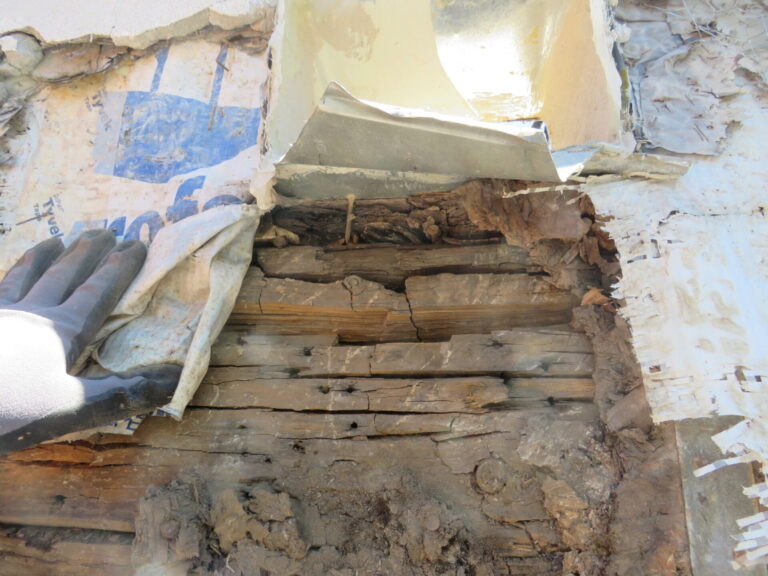
In Colorado, construction defect and workmanship claims are primarily governed by the Construction Defect Action Reform Act (CDARA), C.R.S. §§ 13-20-801 et seq.. Before initiating a lawsuit or arbitration against a builder, contractor, or subcontractor, claimants must comply with CDARA’s mandatory pre-suit Notice of Claim Process (NCP) under C.R.S. § 13-20-803.5. This process requires serving written notice describing the alleged defects in reasonable detail, triggering a statutory period for property inspections and potential settlement or repair offers. Furthermore, under Colorado’s Homeowner Protection Act of 2007 (HPA), C.R.S. § 13-20-806(7)(a), any pre-dispute contract provision attempting to waive or limit a residential owner’s legal rights, remedies, damages, or statutory limitation periods under CDARA or the Colorado Consumer Protection Act (CCPA) is void as against public policy.
Common-Law Negligence, Mechanics’ Liens, and Trust Fund Theft
Beyond statutory frameworks, Colorado law establishes strong common-law protections for property owners and unpaid trade contractors. Under Colorado Supreme Court ruling in Cosmopolitan Homes, Inc. v. Weller, many residential builders and subcontractors can owe an independent tort duty of care to construct homes without negligence—a duty that exists independently of contract terms and is not barred by the Economic Loss Rule. For payment and non-payment disputes, contractors and suppliers can protect their financial interests through the Colorado Mechanics’ Lien Act (C.R.S. §§ 38-22-101 et seq.). Additionally, under Colorado’s Mechanic’s Lien Trust Fund Statute (C.R.S. § 38-22-127), funds disbursed to a contractor must be held in trust for subcontractors and suppliers; misallocating these funds constitutes civil theft under C.R.S. § 18-4-401, exposing non-paying contractors to personal liability and potential treble damages.
Common Construction and Contractor Disputes in Colorado
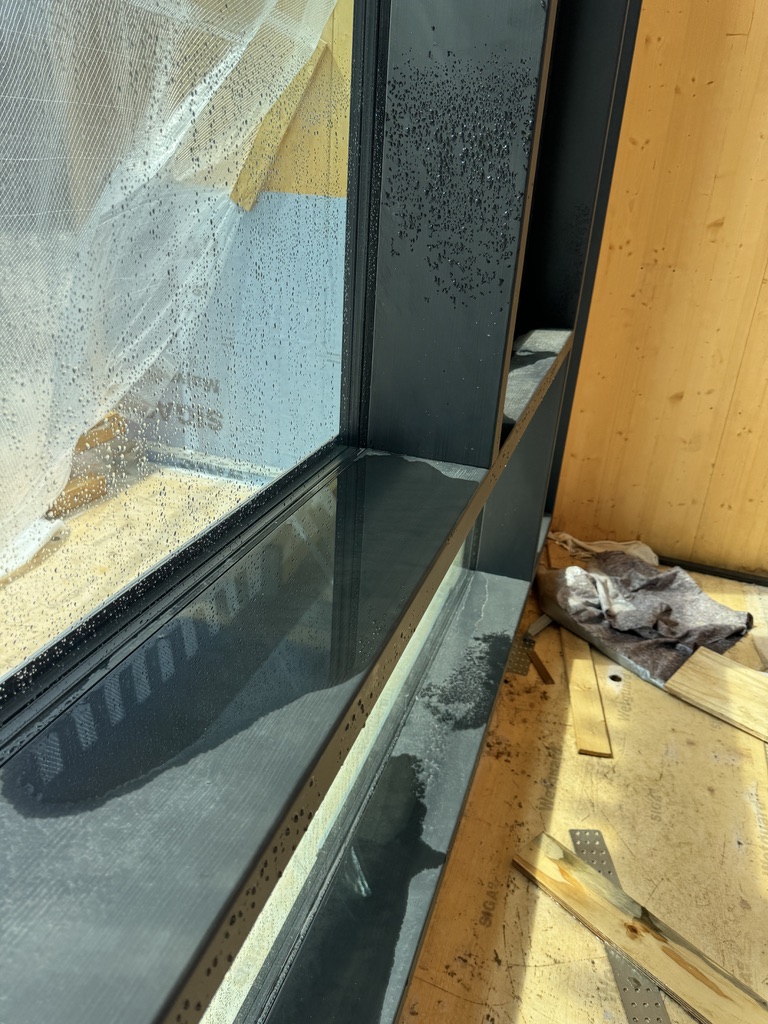
Construction disputes may involve defective or incomplete work, nonpayment, change orders, project delays, contractor abandonment, scope-of-work disagreements, mechanic’s liens, warranty claims, or termination of a construction contract.
These problems can arise for any number of reasons:
Cutting corners
Inadequate design
Trades not coordinating
Insufficient training
Inadequate supervision
Inspection
Contractor too busy
Common Categories of Construction Defects
Engineers and architects do not always complete their work properly
Design flaws can relate to structures built outside of their specified codes. For example, a poorly designed deck can lead to water intrusion and leaks; a poorly designed foundation could lead to excessive heave or settlement at your home. This could lead to cracks throughout your home and your foundation would not perform as it should have been designed.

Poor workmanship can cause serious construction defects over time
It would be impossible to compile a complete list but the following list contains typical examples:
- Improper exterior grading causing water to drain towards Home.
- Improperly constructed exterior concrete flatwork causing water to drain towards Home.
- Improperly constructed weather and water resistant barriers allowing water to migrate from exterior grade and concrete flatwork into Home.
- Improperly constructed and damaged concrete throughout exterior of Home.
- Improperly constructed and damaged concrete around decks.
- Improperly constructed isolations joints between dissimilar surfaces throughout Home.
- Improperly constructed exterior insulation and finish system throughout exterior of Home.
- Improperly constructed and damaged exterior fascia throughout exterior of Home causing water intrusion into Home.
- Improperly constructed and damaged exterior soffits throughout exterior of Home causing water intrusion into Home.
- Improperly constructed and damaged exterior drip edging throughout exterior of Home causing water intrusion into Home.
- Improperly constructed exterior decking causing water to migrate towards Home.
- Improperly installed foundation water protection.
- Improper installation of roofing system.
- Water damaged drywall and soffits as a result of the defective roofing system.
- Improper drip edge installation at fascia.
- Improper roof venting for cold roof.
- Support beam not properly centered.
- Excessively large hole in fascia on the front of the house.
- Shingle damage from ice dams.
- Poor workmanship in soffit installation.
- Poor workmanship in fascia installation.
- Twisted structural beam improperly set on rafter.
- Improper roof parameters.
- Excessive differential movement of basement slabs.
- Excessive differential movement of foundation.

If your home was constructed with faulty materials, you could face astronomical repair costs or health risks
Defective or improperly selected building materials can create serious safety and performance problems. For example, a defective furnace or improperly installed component may create a risk of gas leakage or other hazardous conditions.

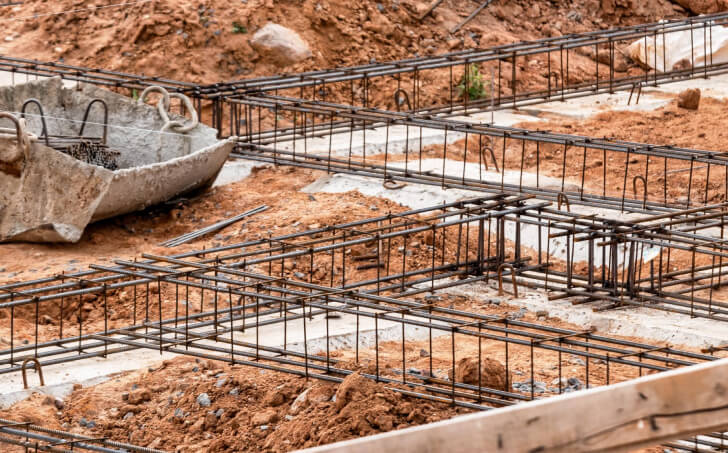
In Colorado, there are expansive soils below a lot of homes that makes creating stable foundations tricky
It almost goes without saying that a well-constructed foundation is critical to the structural soundness of your property. If the subsurface is not properly compacted, or equipped for adequate drainage, you will likely encounter issues such as a heaving foundation, settling foundation, or some structural shift. These issues can lead to more expensive repairs.
Engineers and architects do not always complete their work properly.
Design flaws can relate to structures built outside of their specified codes. For example, a poorly designed deck can lead to water intrusion and leaks; a poorly designed foundation could lead to excessive heave or settlement at your home. This could lead to cracks throughout your home and your foundation would not perform as it should have been designed.

Poor workmanship can cause serious construction defects over time.
It would be impossible to compile a complete list but the following list contains typical examples:
- Improper exterior grading causing water to drain towards Home.
- Improperly constructed exterior concrete flatwork causing water to drain towards Home.
- Improperly constructed weather and water resistant barriers allowing water to migrate from exterior grade and concrete flatwork into Home.
- Improperly constructed and damaged concrete throughout exterior of Home.
- Improperly constructed and damaged concrete around decks.
- Improperly constructed isolations joints between dissimilar surfaces throughout Home.
- Improperly constructed exterior insulation and finish system throughout exterior of Home.
- Improperly constructed and damaged exterior fascia throughout exterior of Home causing water intrusion into Home.
- Improperly constructed and damaged exterior soffits throughout exterior of Home causing water intrusion into Home.
- Improperly constructed and damaged exterior drip edging throughout exterior of Home causing water intrusion into Home.
- Improperly constructed exterior decking causing water to migrate towards Home.
- Improperly installed foundation water protection. Improper installation of roofing system.
- Water damaged drywall and soffits as a result of the defective roofing system.
- Improper drip edge installation at fascia.
- Improper roof venting for cold roof.
- Support beam not properly centered.
- Excessively large hole in fascia on the front of the house.
- Shingle damage from ice dams.
- Poor workmanship in soffit installation.
- Poor workmanship in fascia installation.
- Twisted structural beam improperly set on rafter.
- Improper roof parameters.
- Excessive differential movement of basement slabs.
- Excessive differential movement of foundation.

If your home was constructed with faulty materials, you could face astronomical repair costs or health risks.
Defective products could lead to ill-manufactured furnace, for example, can lead to a gas leak, endangering those inside the building.

In Colorado, there are expansive soils below a lot of homes that makes creating stable foundations tricky.
It almost goes without saying that a well-constructed foundation is critical to the structural soundness of your property. If the subsurface is not properly compacted, or equipped for adequate drainage, you will likely encounter issues such as a heaving foundation, settling foundation, or some structural shift. These issues can lead to more expensive repairs.

Who is responsible for construction defects?
Responsibility for construction defects is often disputed among the general contractor, subcontractors, designers, suppliers, and property owner. Determining fault usually requires reviewing the construction contract, scope of work, project documents, expert findings, and the work performed by each participant. An attorney experienced in Colorado construction law can help identify which parties may be legally responsible.
Proving Liability in Colorado Construction Defect Cases
Most construction defect cases are based on contracts between:
- The property owner and developer
- The property owner and the contractor or subcontractors
- The contractor and their suppliers, architects, and engineers
- You and anyone involved in building your property
These contracts outline each party’s obligations in regard to the planning, design, and construction of your property.
Construction defect lawsuits can involve:
- Negligence
- Breach of contract
- Breach of warranty
- Negligent misrepresentation
- Negligent repair
- Fraud
Property owners typically file construction defect lawsuits in order to fix the situation and/or receive compensation for the damage done.


